

Where Stone Sanctuaries Meet Living Wildways
Waterworks That Keep Breathing
Ponds dug for fasting days, channels guiding mills, and settling pools created to quiet silt still hold astonishing vitality. Dragonflies patrol summer mirrors, newts weave among pondweed, and herons stand in patient grace where monks once harvested carp. Linking these waters with shaded ditches and willow-framed rills helps amphibians disperse, bats feed, and kingfishers commute. Share photographs of restored spillways or unexpected pond guests, and tag local groups so these overlooked blue threads remain connected and cared for.
Green Lanes, Packhorse Ways, and Whispering Hedges
Sunken lanes bordered by hawthorn, blackthorn, and hazel funnel wind like soft flutes, carrying scent and seed along their sheltered trenches. At dusk, brown long-eared bats skim hedgetops while thrushes raid berries that fatten winter journeys. Where gaps appear, voles hesitate and robins abandon nest sites. Join a community hedge-laying day, record blossom timing on your walks, and encourage neighbors to leave spring verges uncut. These small continuities turn scattered homes into real neighborhoods for wildlife.
Walls, Orchards, and Coppice Boundaries
Dry-stone walls warm lizards and sunning butterflies, while crevices shelter snails and hardy ferns through raw northern winds. Old orchards near priories scatter pollen routes across meadows, inviting bees to thread blossom corridors between gnarled trunks and herb-rich margins. Where coppice rides reopen, light floods in and nightjars sometimes return to feast on moths. Help map veteran fruit trees, share cuttings of traditional varieties, and keep ride edges staggered, so dappled edges remain alive with movement and bloom.
Rivers Threading Abbey Valleys
Otters, Voles, and Flashing Blue Feathers
Bats Over Water and Stone
Floodplains, Beavers, and Mending the Flow
Orchids and the Quiet Art of Late Hay
Where scythes and modern mowers wait until seeds drop, pyramidal orchids and fragrant orchids return among knapweed, scabious, and milkwort. This patient timing turns each field into a stepping stone for bees, hoverflies, and meadow blues. If edges flower across June and July, hedgerows hum and swallows hunt above. Ask landowners about cutting dates, celebrate fields posted as hay meadows, and log plant finds with photos so regional botanists can trace recovery and advise neighboring farms to connect flowering miles.
Ancient Trees and Deer in Studley Parkland
Veteran oaks and sweet chestnuts at Studley Royal carry lightning scars and heartwood caverns where rare saproxylic beetles, fungi, and roosting bats take shelter. Grazing deer keep the sward open, creating sightlines for owls to quarter dusk. Protecting root zones, deadwood, and halos of successor saplings ensures tomorrow’s giants. Attend ranger walks, report storm damage to ancient trees, and support careful deer management that balances browsing with regeneration. Each wise decision fortifies the green bridges stitching ruins to the wider countryside.
Spring Carpets in Old Woods
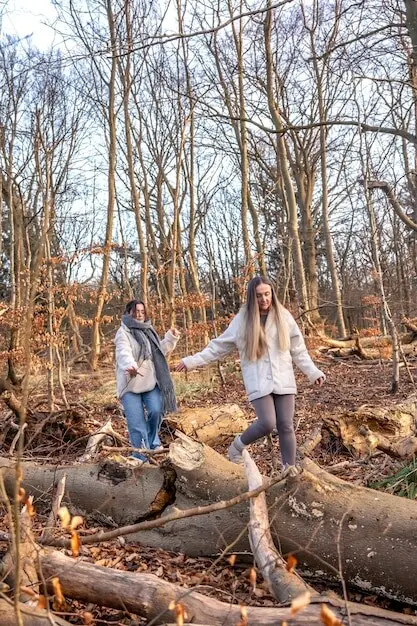
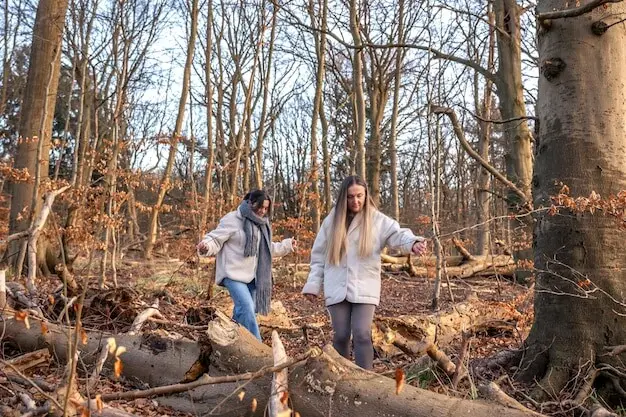
Bluebells and wild garlic flood ancient woods with color and scent, marking continuity where soils remain undisturbed by deep plough. Here, pied flycatchers and redstarts glean along dappled rides while speckled woods pivot in sunlit rectangles. When paths widen and short-cuts braid trunks, ground flora falters. Stick to waymarked routes, photograph flowers without trampling, and help volunteers block erosive desire lines with brash. In exchange, the woodland will continue gifting corridors of shade and soft forage into the hotter months ahead.
People Power and Caring for Continuity
Visiting with Purpose
Looking Ahead: Resilience and Imagination
All Rights Reserved.