
Following Waterways Between Yorkshire’s Ancient Abbeys
Set out with us along riverside paths and canal towpaths that link Yorkshire’s storied abbey sites, tracing the Aire by Kirkstall, the Wharfe at Bolton Priory, the Ure near Jervaulx, the Skell at Fountains, and the Rye below Rievaulx. We’ll highlight approachable routes, layered histories, and living waterways, inviting you to walk, cycle, or paddle where monks once traveled, mills once turned, and nature now flourishes beside lock gates, arches, and timeless stone.
Mapping the Flow: From Ouse to Aire, Wharfe to Ure
Yorkshire’s abbey network sits naturally beside moving water, and your routes can too. Selby looks onto the Ouse; Kirkstall watches the Aire; Bolton Priory breathes the Wharfe; Jervaulx leans toward the Ure; Rievaulx listens to the Rye; Fountains whispers with the Skell and formal waters at Studley. Canals knit these valleys together: the Leeds & Liverpool Canal, Aire & Calder Navigation, and Ripon Canal form calm corridors where industrial legacy and monastic silence meet, guiding you with locks, bridges, and river confluences.

Abbey-to-Abbey Day Routes You Can Actually Do
Ambitious multi-day pilgrimages are glorious, but satisfying single-day connections are absolutely possible. Stitch valley paths with canal miles, then leap by bus or train when needed to respect daylight and terrain. These suggestions emphasize legibility, public transport access, and memorable waterside character. Expect surfaced towpaths near towns, softer riverside meadows beyond, and occasional steeper interludes where valleys constrict. Always verify current access, livestock presence, and estate notices before you set off, especially after heavy rain.
Kirkstall to Bolton Priory Along the Aire and Wharfe
Roll west from Kirkstall Abbey on the Aire towpath toward Apperley Bridge, join the Leeds & Liverpool Canal’s broad ribbon, then swing up the Wharfe valley on shared paths and quiet lanes toward Ilkley and Bolton Priory. It’s a big day, best for strong cyclists, yet hugely rewarding: arches, mills, rowing clubs, herons, and moorland edges. Break at Saltaire if needed, or overnight near Ilkley, turning the final riverside stretch into a contemplative morning arrival.
Jervaulx to Fountains via Ripon and the Skell
Walk gentle farm tracks from Jervaulx toward the Ure, pick up riverside sections into Ripon, then follow the Ripon Canal’s glassy water south before arcing west by lanes toward Studley Royal and the Skell valley approach to Fountains. Monastic echoes are everywhere, from carved stones in Ripon Minster precincts to deer among ancient trees near the water gardens. If time tightens, use a Ripon bus link to trim distance, preserving energy for long, reflective minutes beside cloister walls.
Rievaulx to Byland Beside the Rye and Over the Ridges
Descend to the River Rye’s green hush, then follow permissive paths and bridleways that mirror the watercourse before climbing gently toward Wass and the open platform around Byland’s soaring west front. The contrast delights: Rievaulx folds into a wooded valley, while Byland dominates open ground. Expect varied surfaces, birdsong, glimpses of fish in clear shallows, and far views across farmland. Shorten with a taxi if necessary, but leave time to loiter where water sounds soften your pace.
Stories the Current Carries
Routes become personal when stories flow with the water. A novice paddler feels braver passing Kirkstall’s muscular arcades at sunrise. A volunteer lock-keeper steadies a holiday crew with a joke, then a lesson in paddles and sluices. A reconstructed cargo tally from Selby evokes wool bales, beeswax, and parchment headed toward York. Gather these whispering details as you walk: smells of malt, clatter across a swing bridge, laughter by a towpath café, silence under echoing stone.
Practical Planning, Permits, and Respect
Navigation and Maps That Actually Work Offline
Signal wavers in deep valleys and under woodland edges. Preload vector maps, carry paper backups in a waterproof sleeve, and habitually note grid references at key junctions. Photograph information boards, and drop pins at bus stops or railway stations for exit flexibility. A tiny pencil line along a canal summit or river bend can later save miles, daylight, and energy, especially when weather turns quickly along open moor fringes above valley floors.
Access, Rights, and Staying Safe Around Water
England’s access patchwork rewards careful reading. Stick to marked footpaths, bridleways, and permissive tracks; follow landowner notices; close gates. On water, wear a buoyancy aid, carry a throwline, and paddle conservatively near weirs. Avoid swollen rivers after heavy rain, and respect anglers’ space. Towpath surfaces can be slimy; slow down on bends and announce passes warmly. In livestock fields, give cattle room, leash dogs where signed, and never chase your schedule at the expense of judgment.
Give Back to Guardians of Abbeys and Canals
These places endure because people care. Consider joining the National Trust to support Fountains and Studley’s water gardens, or English Heritage for Rievaulx and Byland. Donate locally at church boxes and riparian charities. Volunteer for a towpath cleanup or invasive species pull. Buy a tea and scone at the café that hires local teens. Your coins and hours turn into repaired lock gates, meadow paths, conserved tracery, and patient staff who gladly point you toward hidden viewpoints.
Spring Chorus Between Bluebells and Wild Garlic
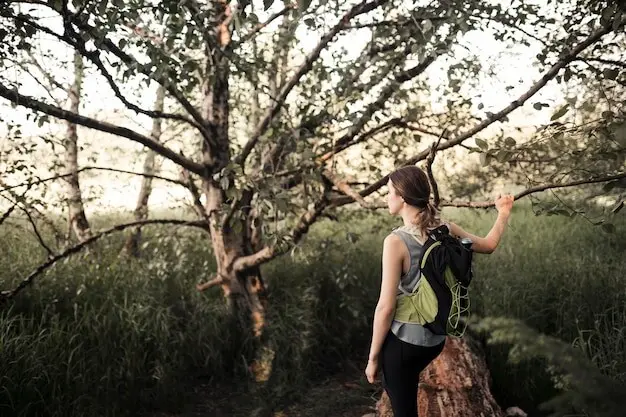
April and May unwrap woodland above the Skell and Rye, bluebells pooling under beech while chiffchaffs count time from hedgerows. Wild garlic lines shaded becks, cloisters smell green and peppery, and towpath verges fizz with new insects. Keep to paths to protect bulbs, and linger on stone bridges where swallows stitch low arcs over mirrored water, their reflections almost touching the threads of last winter’s broken ice and fallen leaves.
Summer Shade Where Willows Comb the Water
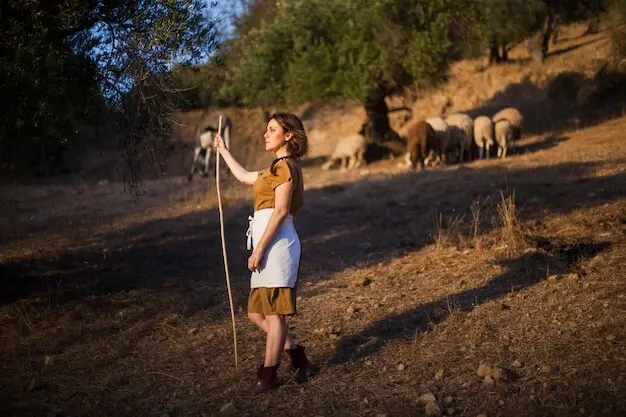
On hot afternoons, towpath willows rake the surface into gentle furrows while damselflies hover like glass needles. Moorhens hurry into reeds, dogs splash at landings, and kayaks breathe small ripples against brick. Seek cooler, slower reaches below weirs; carry extra water and sunscreen; and notice how abbey stone glows honeyed by evening. As bats flicker at dusk, you realize canals and rivers hold nightlife as rich as any city street.
Autumn Mists, Winter Clarity, and Resilient Life
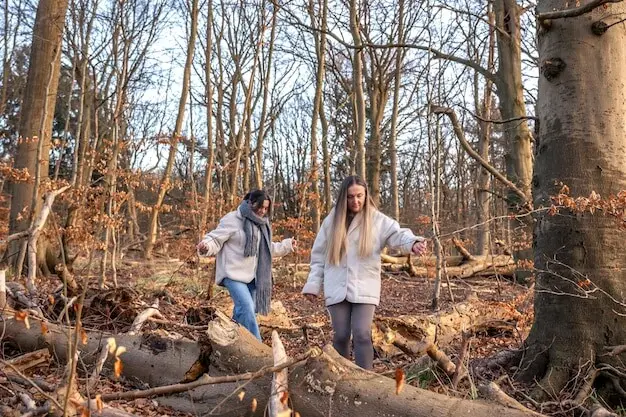
Mornings smoke with mist along the Ure and Wharfe, spiderwebs hung with pearl droplets on towpath rails. Leaves lift in quiet spirals past arches and lock paddles. Winter strips foliage to reveal sculptural trunks, ecclesiastical lines, and lost mill races. Birds concentrate where current softens; tracks ink the mud. Dress in layers, pack a flask, and listen for the clean, bell-like call of a dipper cutting the hush beneath frost-stiff reeds.
Community Voices and How You Can Join In
These routes live through conversation. Share your discoveries, corrections, and favorite cafés near locks; post wildlife sightings that might help others plan slower pauses; and suggest short detours that turned ordinary miles magical. Ask questions, nudge for accessibility details, and exchange GPX files that respect private land. We’ll publish reader itineraries, credit photos gladly, and host occasional meet-ups on gentle canal stretches, building a welcoming circle of walkers, cyclists, paddlers, and curious historians along Yorkshire’s living waters.

All Rights Reserved.