
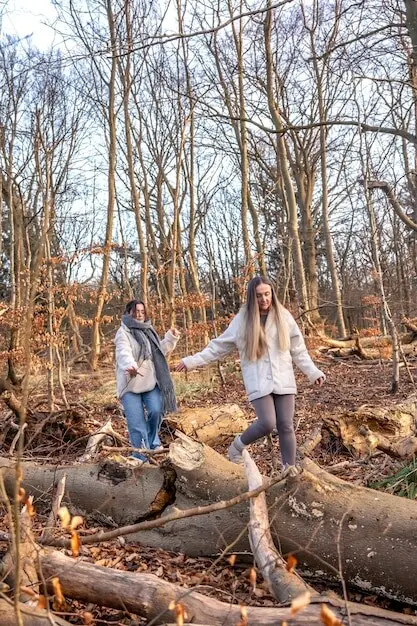

Where Stone Sanctuaries Meet Living Wildways
Today we journey into Wildlife and Habitat Corridors Surrounding Yorkshire’s Monastic Landscapes, following hedgerows, riverbanks, and ancient lanes that still pulse with life beside Fountains Abbey, Rievaulx, Jervaulx, Byland, and Bolton Priory. Expect otters under bridges, bats over reflective water, deer among parkland giants, and orchids brightening limestone light. Share your sightings, subscribe for new routes, and help map these quiet connections so the stories of stone and the movements of wildlife continue together, safely and joyfully.

Waterworks That Keep Breathing

Ponds dug for fasting days, channels guiding mills, and settling pools created to quiet silt still hold astonishing vitality. Dragonflies patrol summer mirrors, newts weave among pondweed, and herons stand in patient grace where monks once harvested carp. Linking these waters with shaded ditches and willow-framed rills helps amphibians disperse, bats feed, and kingfishers commute. Share photographs of restored spillways or unexpected pond guests, and tag local groups so these overlooked blue threads remain connected and cared for.

Green Lanes, Packhorse Ways, and Whispering Hedges

Sunken lanes bordered by hawthorn, blackthorn, and hazel funnel wind like soft flutes, carrying scent and seed along their sheltered trenches. At dusk, brown long-eared bats skim hedgetops while thrushes raid berries that fatten winter journeys. Where gaps appear, voles hesitate and robins abandon nest sites. Join a community hedge-laying day, record blossom timing on your walks, and encourage neighbors to leave spring verges uncut. These small continuities turn scattered homes into real neighborhoods for wildlife.

Walls, Orchards, and Coppice Boundaries

Dry-stone walls warm lizards and sunning butterflies, while crevices shelter snails and hardy ferns through raw northern winds. Old orchards near priories scatter pollen routes across meadows, inviting bees to thread blossom corridors between gnarled trunks and herb-rich margins. Where coppice rides reopen, light floods in and nightjars sometimes return to feast on moths. Help map veteran fruit trees, share cuttings of traditional varieties, and keep ride edges staggered, so dappled edges remain alive with movement and bloom.

Rivers Threading Abbey Valleys

Otters, Voles, and Flashing Blue Feathers

Fresh tracks near riffles whisper that otters still cruise under moonlight, following scent lines the length of a parish. Where banks are reprofiled and reed margins thicken, water voles carve runways through green hush, dodging mink with luck and community vigilance. Kingfishers bracket the water with electric arrows, teaching us how precision loves clarity. Report sightings through local river trusts, support mink control led by trained volunteers, and celebrate every new vole burrow as a returned chapter in a living book.

Bats Over Water and Stone

Daubenton’s bats hunt inches above mirrored pools, their feet grazing eddies where midges rise. Within ribbed arches of bridges and calm gatehouses, soprano pipistrelles tuck into summer roosts, then pour out like quiet smoke at warm dusk. Simple actions—leaving night corridors unlit, preserving roof access for safe maternity roosts, and guarding veteran trees—can multiply flight lines. Join a bat walk at dusk, borrow a detector, and upload recordings so shared sonograms can map aerial highways across the valley.

Floodplains, Beavers, and Mending the Flow
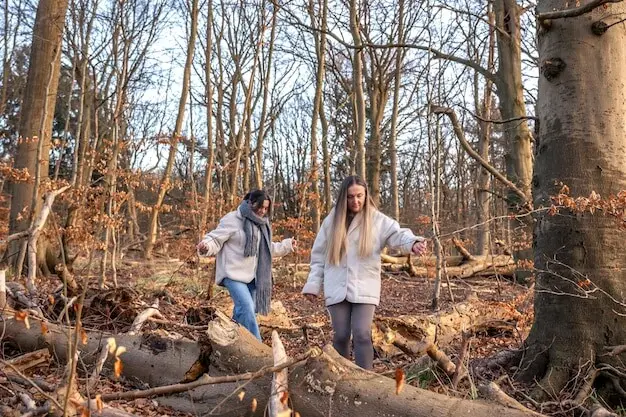
Natural flood management—leaky dams, roughened floodplains, and reconnected meanders—slows water before storms can menace cloistered ruins. In the North York Moors, carefully managed beaver projects demonstrate how neat teeth and patient ponds stitch wetlands that cradle frogs and soften deluges downstream. Pair these living tools with buffer strips and woody debris placements around monastic valleys, and fish nurseries reappear. Support catchment partnerships, walk post-storm routes to note scour and deposition, and share findings that guide practical repair aligned with nature.

Orchids and the Quiet Art of Late Hay

Where scythes and modern mowers wait until seeds drop, pyramidal orchids and fragrant orchids return among knapweed, scabious, and milkwort. This patient timing turns each field into a stepping stone for bees, hoverflies, and meadow blues. If edges flower across June and July, hedgerows hum and swallows hunt above. Ask landowners about cutting dates, celebrate fields posted as hay meadows, and log plant finds with photos so regional botanists can trace recovery and advise neighboring farms to connect flowering miles.

Ancient Trees and Deer in Studley Parkland

Veteran oaks and sweet chestnuts at Studley Royal carry lightning scars and heartwood caverns where rare saproxylic beetles, fungi, and roosting bats take shelter. Grazing deer keep the sward open, creating sightlines for owls to quarter dusk. Protecting root zones, deadwood, and halos of successor saplings ensures tomorrow’s giants. Attend ranger walks, report storm damage to ancient trees, and support careful deer management that balances browsing with regeneration. Each wise decision fortifies the green bridges stitching ruins to the wider countryside.

Spring Carpets in Old Woods

Bluebells and wild garlic flood ancient woods with color and scent, marking continuity where soils remain undisturbed by deep plough. Here, pied flycatchers and redstarts glean along dappled rides while speckled woods pivot in sunlit rectangles. When paths widen and short-cuts braid trunks, ground flora falters. Stick to waymarked routes, photograph flowers without trampling, and help volunteers block erosive desire lines with brash. In exchange, the woodland will continue gifting corridors of shade and soft forage into the hotter months ahead.

People Power and Caring for Continuity
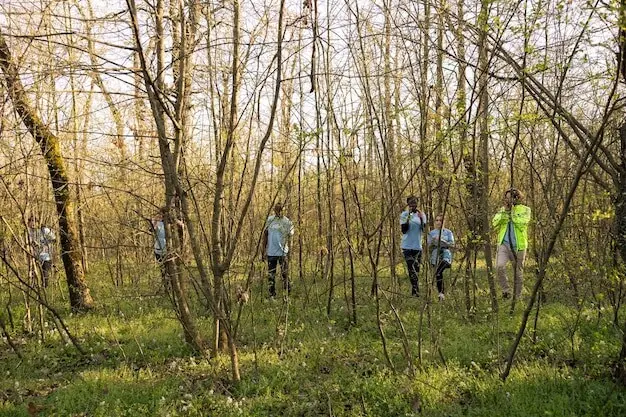
Corridors thrive when neighbors coordinate hedge gaps, gateways, and mowing times across an entire valley, not just within estate fences. From parish councils to farm clusters, shared calendars and tiny grants unlock outsized gains for owls, newts, and pollinators. The Skell Valley Project shows how heritage protection and wetland creation reinforce each other. Subscribe for monthly action prompts, pledge a verge corner to spring flowers, and bring a friend to the next planting day so your footsteps multiply into pathways for countless small travelers.

Visiting with Purpose

To walk here is to pass between heritage and habitat, each echoing the other. Choose routes that link ruins to riverwoods and hayfields, pause where vistas open into parkland, and learn the hush that invites wildlife nearer. Keep dogs leashed near livestock and ground nests, avoid bank edges during floods, and carry out every crumb. Share respectful tips in our comments, subscribe for downloadable maps, and tell us which dawns or dusks revealed your most unexpected, heart-steadying encounters.
Trace the Wharfe from the Strid through ash and birch to Bolton Priory, or pair Rievaulx Terrace with abbey ruins and the winding Rye to stitch a morning into memory. Seek sunrise when deer step lightly and dippers test the riffles. Mark benches for quiet observation, note seasonal closures, and download waymarked circulars that braid meadow, wood, and river. After, post your route and sightings so another walker can travel wiser, slower, and more open to the valley’s breathing.
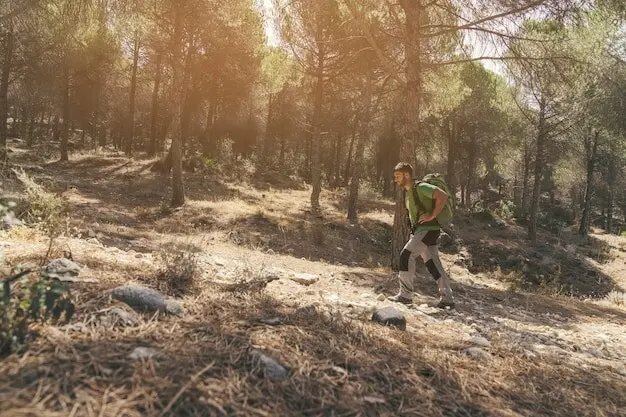
Move like water, pausing longer than feels natural, and life will reveal itself. Stand downwind from hedges, keep binoculars low, and let your eyes adjust to layered greens. If a bird alarms persistently, back away until calm returns. Pack a red-filter torch for crepuscular paths and whisper near roosts. Share best-practice notes with newcomers, remind companions about leads during lambing, and celebrate good etiquette in our community thread. Courtesy is the invisible bridge many species need to cross toward trust.

Looking Ahead: Resilience and Imagination
Corridors promise endurance if we pair reverence for ruins with bold, nature-based repair. As floods intensify and summers dry, leaky dams, scrapes, and shaded channels help rivers breathe, while diversified verges buffer insects during hungry transition weeks. Ash dieback opens difficult gaps; we answer with mixed plantings and protected regeneration. Subscribe to progress notes, join planting days, and propose pilot ideas that honor history without freezing it. Together, we can keep these valleys moving, learning, and wonderfully alive.
Novipexidarizerakaro
Privacy Overview

This website uses cookies so that we can provide you with the best user experience possible. Cookie information is stored in your browser and performs functions such as recognising you when you return to our website and helping our team to understand which sections of the website you find most interesting and useful.